

Duckbill Valve for breast pumps
Premium Wearable
Rs.500.00
Sale price
Rs.500.00
Regular price
Skip to product information
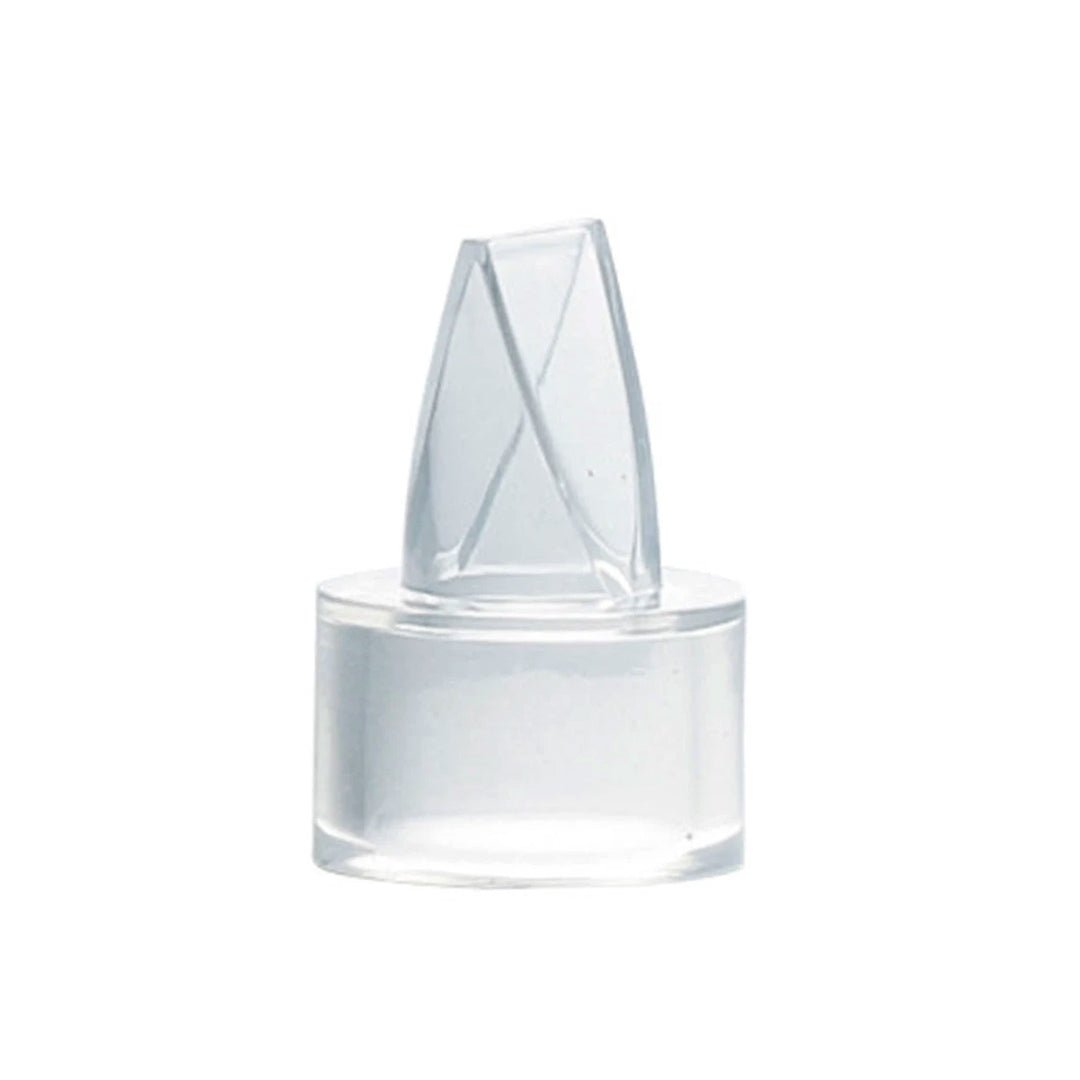
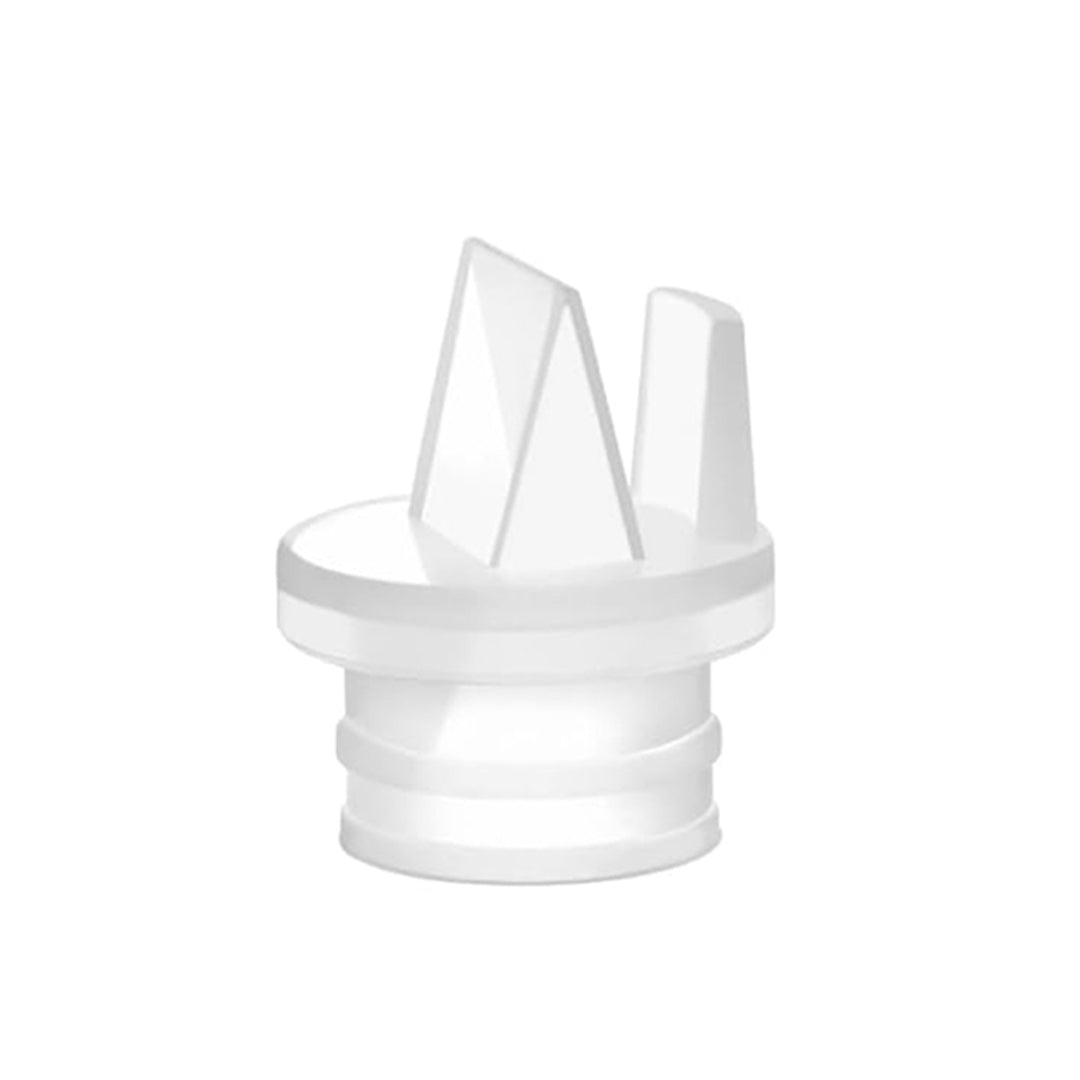
Duckbill Valve for breast pumps
Rs.500.00
Sale price
Rs.500.00
Regular price
Taxes included.
Shipping calculated at checkout.
- Deepsea Duckbill Valve, a replacement one-way silicone valve for the breast pump suction system
- Controls milk flow direction during expression, preventing backflow into the pump motor
- For mothers experiencing suction loss, reduced output, or visible valve wear on their pump
- Fits Deepsea Prime Electric Breast Pump and compatible Deepsea pump models
- Food-grade silicone, small and easy to replace, critical maintenance part for pump performance
- Replacement part, same-day dispatch, Pakistan-wide delivery
Small Part. Big Difference.
When will I get my order?
We usually deliver within 1–2 days in major cities and 2–4 working days nationwide. Orders placed before 3 PM (Mon–Sat) are dispatched the same day after call confirmation; later orders, Sundays, or holidays ship the next working day. Once dispatched, you’ll receive a confirmation email with a tracking link.
Post-Purchase Care
We’re here for you even after your purchase, offering dedicated guidance, warranty coverage, and responsive support—so you always feel confident and cared for on your breastfeeding journey. For assistance, reach out to us anytime on WhatsApp at +92 348 1273957.
The Small Part That Keeps Your Pump Working
We have seen mothers troubleshoot declining breast pump suction across multiple sessions, check the battery, adjust the flange, inspect the tubing, and still get the same weak output, before finally discovering that the duckbill valve has a hairline tear that is invisible at a glance but breaks the one-way seal completely. The duckbill valve is the smallest component in a breast pump and the one most likely to fail first, because it opens and closes under mechanical stress with every suction cycle across every single pumping session. When it fails, the pump loses its ability to maintain suction direction, and output drops significantly regardless of the suction level setting. Replacing the valve immediately restores full pump function in most cases. The Deepsea Duckbill Valve is the correct replacement part for the Deepsea Prime Electric Breast Pump, designed to restore the one-way flow seal that the pump requires for full suction efficiency.
The duckbill valve works as a one-way check valve inside the pump assembly. During the suction phase of a pumping cycle, the valve opens to allow milk to flow from the flange tunnel toward the collection bottle. During the release phase, it closes to prevent milk from flowing back toward the pump motor, maintaining the pressure differential that drives the next suction cycle. This open-close action happens hundreds of times per pumping session, and the silicone material that enables it degrades over time through repeated mechanical stress, heat from sterilisation, and contact with milk residue. A valve that no longer seals completely on the release phase allows air back into the system, breaking the suction cycle and reducing the effective vacuum the pump can generate. Mothers using the Deepsea Premium Wearable Breast Pump will find that the wearable pump also includes duckbill valves as part of its sealed suction system, which require periodic replacement on the same schedule.
Replacing the duckbill valve requires no tools. Remove the old valve by pulling it gently from its seat in the pump body, insert the replacement by pressing it firmly into position until fully seated, and run a brief test session to confirm the suction seal has been restored. Inspect the valve before every pumping session as part of routine maintenance — visible cracking, discolouration, or deformation means immediate replacement is needed. Sterilise the new valve by boiling in clean water for 3 to 5 minutes before first use.
At Deepsea Care, we believe every component of the pumping routine deserves the same reliability as the whole. Because every mother deserves the best care.

Duckbill Valve for breast pumpsRs.500.00 |

Continuing with Damaged Valve |
|
|---|---|---|
| Key Feature | Fresh silicone one-way valve that restores the pressure differential and milk flow direction required for full pump suction efficiency | A degraded, cracked, or deformed valve that fails to seal on the release phase, breaking the suction cycle |
| Suction Quality | Full suction efficiency was restored from the first session after replacement | Reduced suction regardless of pump motor power or suction level setting |
| Milk Output | Normal milk output per session, consistent with the pump's rated performance | Significantly reduced output, mothers often compensate with higher suction levels without improvement |
| Session Comfort | Normal, comfortable suction at preferred level | Inconsistent suction rhythm, mothers often increase the level to compensate, increasing discomfort |
| Hygiene | Fresh, clean, sterile replacement component free of milk residue buildup | A degraded valve surface accumulates milk residue in cracks and deformations, risk of bacterial growth |
| Cost | Minimal cost, the lowest-cost repair option for suction loss | No immediate cost, but results in wasted pumping time, potential milk supply impact, and pump strain |
| Action Required | Replace immediately, no tools needed, insert and test in under 2 minutes | Identify and replace — continuing without replacement does not resolve the suction issue |
| View product |
Frequently Asked Questions
Find answers to common questions about our products and services.
-
A duckbill valve is a small silicone one-way check valve inside a breast pump that controls the direction of milk flow during expression. During each suction cycle, the valve opens to allow milk to move from the flange and breast toward the collection bottle. During the release phase, it closes to prevent milk or air from flowing back toward the pump motor, maintaining the pressure differential that the next suction cycle depends on. It gets its name from its shape, a narrow silicone tip that opens like a duck's beak when pressure pushes from behind, and seals closed when pressure reverses. It is the smallest component in the pump, works under the highest mechanical stress per session, and is the most common cause of suction loss when it fails.
-
Inspect the duckbill valve before every pumping session by holding it up to the light and looking at the silicone tip. Replace it immediately if you see any visible tearing, cracking, or splitting of the tip, discolouration or cloudiness in the silicone material, deformation of the lip shape so it no longer seals flat when held between fingers, or milk residue buildup inside the tip that cannot be removed by washing. Replace it on a schedule regardless of visible condition — every 2 to 3 months with daily pumping use, or every 4 to 6 weeks for mothers pumping multiple times per day. If your pump suction has declined noticeably and the battery, flange fit, and tube connections have all been checked, replace the valve as the next step.
-
Yes, and it is one of the most common causes of sudden or gradual breast pump suction loss. The duckbill valve creates a one-way seal that allows the pump motor to build and maintain negative pressure against the breast. When the valve tip tears or no longer seals fully during the release phase, air re-enters the suction circuit, breaking the pressure differential the pump needs for effective suction. The result is weaker, less consistent suction at every level, and reduced milk output per session, even if the pump motor is functioning perfectly. Replacing the valve is the first troubleshooting step for any pump that has been performing well and then loses suction gradually or suddenly without any other obvious cause.
-
After each pumping session, remove the duckbill valve from the pump assembly, rinse it immediately under clean, cool water, and wash gently with mild dish soap. Rinse thoroughly and allow to air dry completely before reassembling. For sterilisation, boil in clean water for 3 to 5 minutes or use a steam steriliser. To replace with a new valve, pull the old valve gently from its seated position in the pump body, insert the new Deepsea replacement valve by pressing it firmly into position until fully seated with no gaps at the base, and run a brief test pumping session to confirm suction has been fully restored. The entire replacement process takes under two minutes and requires no tools.
-
Replace on a scheduled basis regardless of visible condition — every 2 to 3 months for mothers pumping once or twice daily, or every 4 to 6 weeks for mothers pumping 3 or more times per day. High-frequency pumping accelerates mechanical wear on the valve tip through the repeated open-close action under suction stress. Sterilisation by boiling also gradually affects silicone material integrity over repeated cycles, which is why scheduled replacement is recommended even when the valve looks intact. Keeping a spare valve in your pump kit means replacement happens immediately when needed rather than waiting for a delivery. A fresh valve costs very little and restores pump performance reliably.
For Reference:
- To browse all Deepsea Care breast pump accessories and spare parts, visit the breast pump accessories collection.
- For the correct replacement flange if fit or suction issues persist after valve replacement, see the Deepsea Breast Pump Flange.
- For practical guidance on maintaining breast pump performance across daily use, read the breast pump guide.


